Video podcasts aren’t a supplementary format on YouTube anymore — for a large share of shows, YouTube has become the primary distribution channel, ahead of traditional audio platforms. Here’s what’s actually driving that shift and what it means for anyone still recording audio-only.
The Discovery Advantage
Audio platforms like Spotify and Apple Podcasts rely almost entirely on a listener already knowing your show exists, searching for it directly, or being served an algorithmic recommendation within a closed ecosystem. YouTube functions differently — it’s a search engine as much as a platform, and video podcast clips surface in general search, Shorts, and suggested video feeds where someone wasn’t looking for a podcast at all. That’s a fundamentally larger discovery surface.
Watch Time Changes the Algorithm’s Incentives
YouTube’s recommendation system rewards watch time, and long-form conversational content is exceptionally good at generating it — a viewer who gets pulled into an interesting conversation will often stay for 20, 40, even 90 minutes, which is a signal YouTube’s algorithm actively favors. This has made full-length podcast episodes some of the most efficient long-watch-time content on the platform, which means YouTube has real incentive to keep surfacing them.
Clips Do the Marketing for You
A single strong moment from a video episode becomes a Short, and Shorts get distributed far beyond a channel’s existing subscriber base. Someone who’s never heard of a show can be served a 45-second clip, react to it, and end up on the full episode — a discovery path that simply doesn’t exist for audio-only content. This is a major reason video podcasts have started outpacing audio-only shows in overall growth.
Guests Prefer It Too
High-profile guests increasingly treat video as the default expectation, not the exception — a video appearance is more shareable for them, gives their team usable clips, and simply feels more current. Shows still recording audio-only are starting to find themselves at a disadvantage when booking guests who have other, video-native options.
What This Means for How You Record
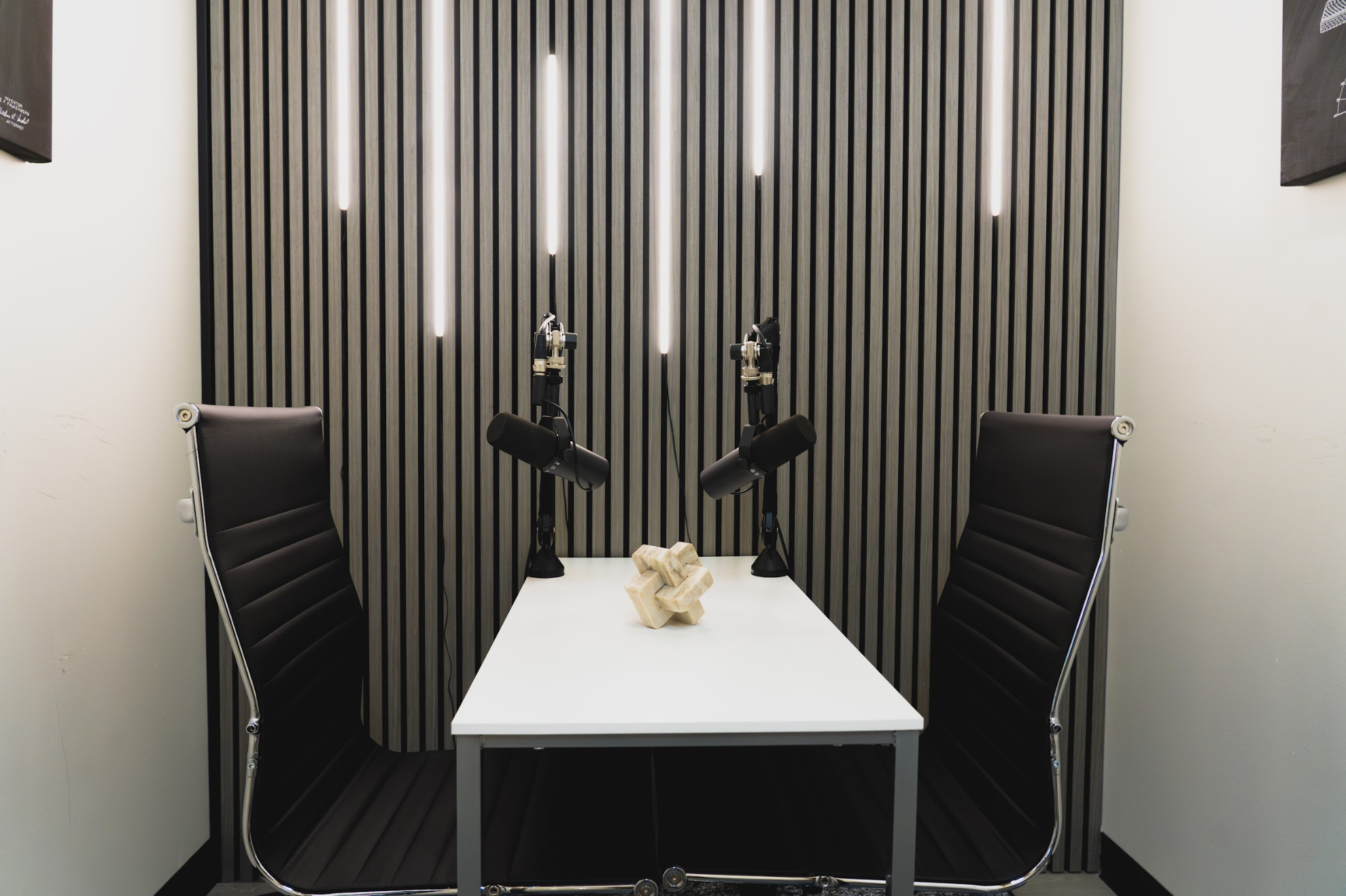
If a show is still recording audio-first and treating video as an afterthought, the production gap shows. Multi-camera coverage, framing, and lighting all become part of the content itself, not just a bonus — which is a different production requirement than audio ever was. This is the core reason studio production has become more important, not less, as podcasting has matured: the bar for “acceptable” video quality keeps rising as more shows compete for the same attention.
The Practical Takeaway
If your show is still audio-only, the highest-leverage change you can make in 2026 isn’t a new microphone — it’s adding professional video capture to your existing recording process. The audio quality doesn’t need to change; the visual layer around it does.
Ready to add video to your show? See our multi-camera podcast recording setup.