Most new podcaster mistakes aren’t creative problems — they’re technical and logistical ones that quietly kill a show before it finds its audience. Here are the five that come up most often, and what actually fixes each one.
1. Prioritizing the Camera Over the Microphone
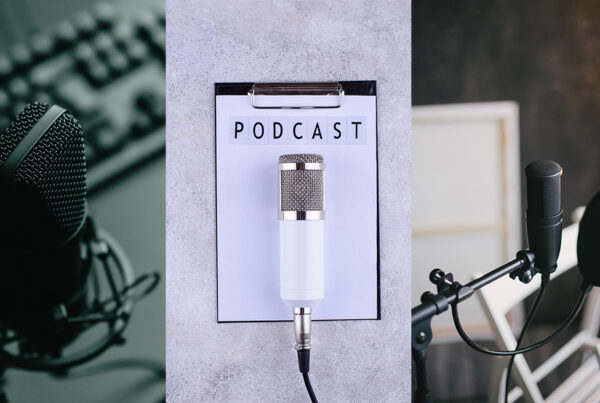
New podcasters obsess over how the video looks and treat audio as an afterthought. This is backwards. Listeners will forgive a mediocre camera angle; they will not forgive audio that crackles, echoes, or forces them to ride the volume knob. If you’re choosing where to spend your first equipment budget, spend it on a quality microphone and basic acoustic treatment before you touch a camera upgrade. A room with hard, reflective walls will make even a $400 mic sound cheap — treatment matters more than gear.
2. Recording Solo in an Untreated Room
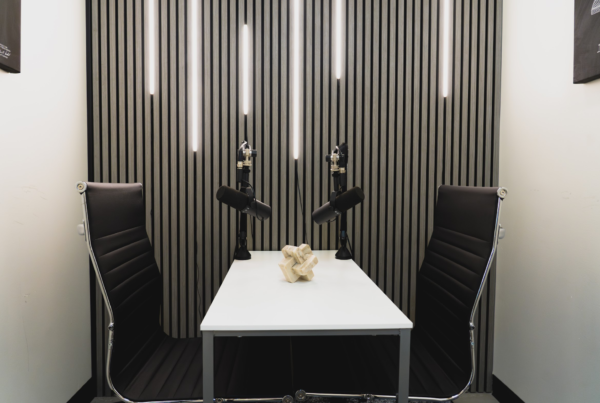
The single biggest jump in perceived production quality happens the moment a podcast moves out of a bedroom or home office and into a space actually built for recording. Sound bounces off bare walls, HVAC systems hum in the background, and neighbors’ noise bleeds through windows in ways you won’t notice until you’re editing. This is exactly why professional studios exist — a properly treated room removes an entire category of problems before you hit record.
3. Inconsistent Release Schedules
Launching with a promise of “weekly episodes” and then going quiet for a month is worse than never promising a schedule at all. Audiences build a habit around your release day; break it repeatedly and you lose the momentum you spent months building. If you’re not sure you can sustain weekly, start biweekly and over-deliver rather than the reverse.
4. Not Batching Content
New podcasters often record one episode at a time, which means the setup, lighting, and mental warm-up cost happens over and over. Batching — recording multiple episodes in a single session — is dramatically more efficient and produces more consistent quality, since you’re not rebuilding your setup (or your energy) from scratch each time.
5. Ignoring the Guest Experience
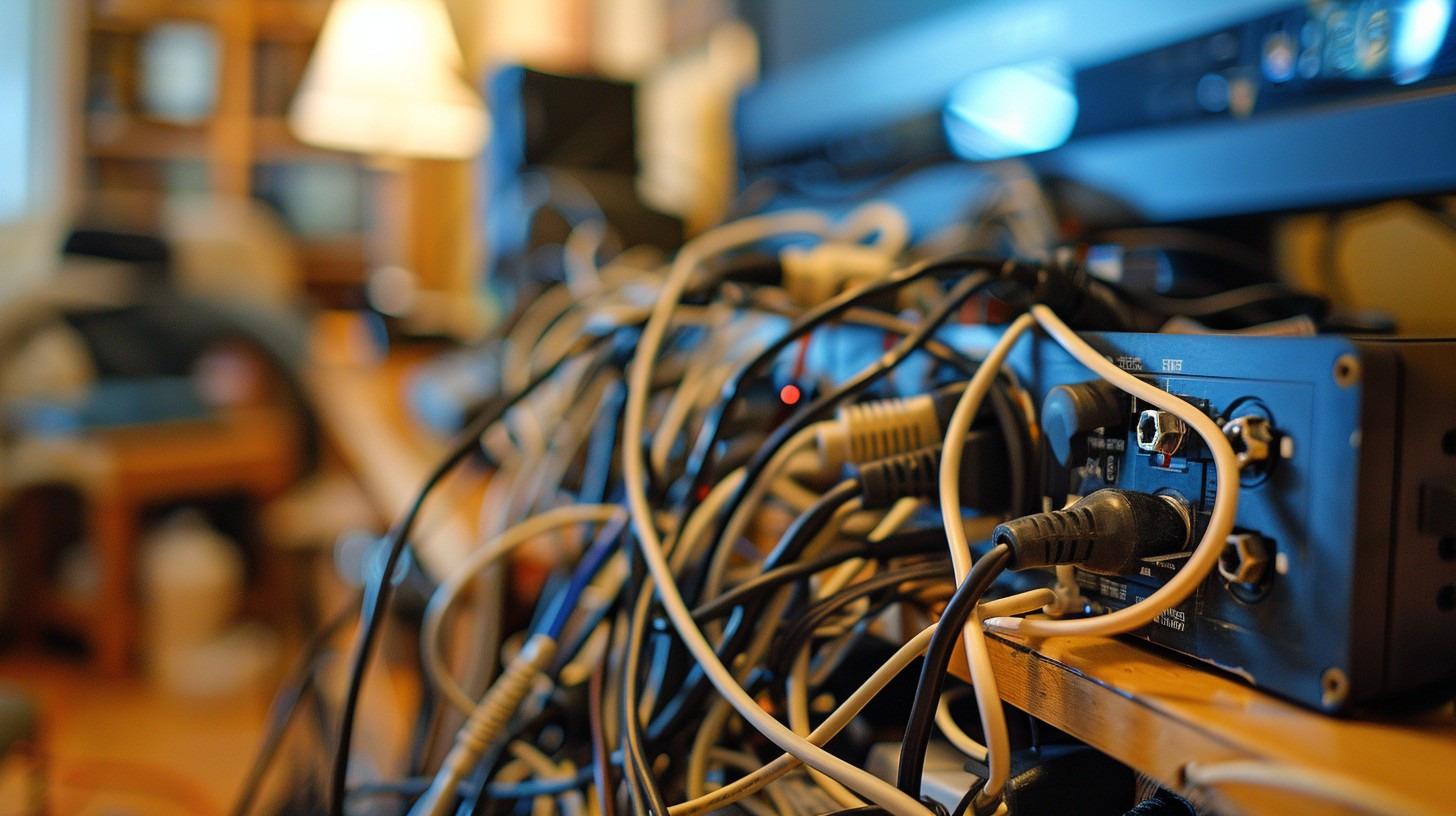
A guest who shows up to a home studio with tangled cables and an improvised setup forms an impression of your show before you’ve even started recording — and that impression affects how relaxed and generous they are on mic. A professional environment does some of the persuading for you before a word is recorded, which matters enormously when you’re trying to book guests who have other, better options.
The Common Thread
Every mistake on this list gets easier to avoid the moment you’re not solving audio, lighting, and camera problems yourself in real time. That’s the actual value of a studio session with an engineer running the equipment — it removes the technical burden so you can focus on the conversation, which is the one part of podcasting that can’t be outsourced.
New to recording? See what a session at Link Label Studios includes before your first episode.